
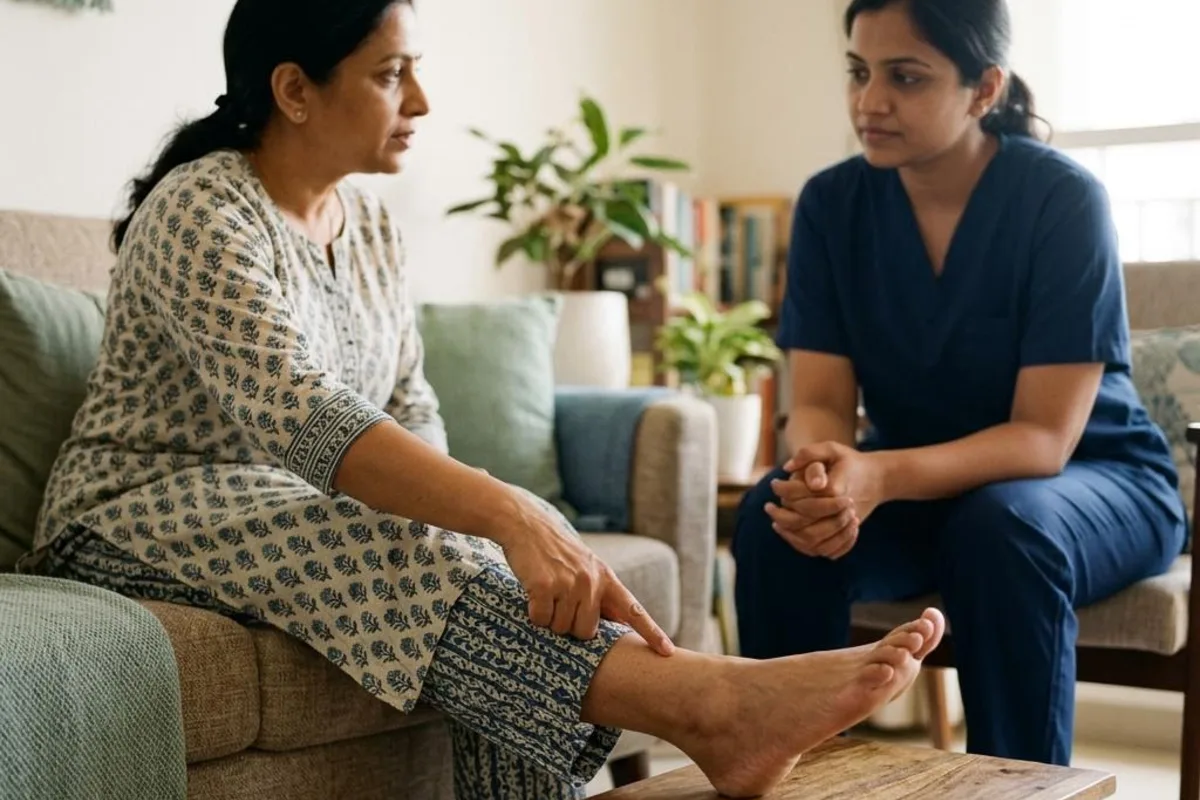
Understanding Ankle and Foot Pain Physiotherapy
Ankle and Foot Pain Physiotherapy serves as a gateway to restoring your natural movement patterns. When discomfort limits your daily tasks, understanding the root cause is the initial step toward effective management. This clinical approach focuses on how your body bears weight and responds to physical stress, ensuring that you can navigate your environment with confidence rather than constantly compensating for localized soreness or stiffness during movement.
For residents in areas like Banjara Hills, accessing professional guidance can clarify the distinction between transient fatigue and underlying musculoskeletal issues. Rehabilitation is not solely for those with major disabilities; it is a vital service for anyone experiencing health conditions that limit their functional independence. By engaging with structured support, individuals gain the necessary tools to address symptoms and modify their immediate environment for improved long-term outcomes.
Clinical reference: WHO: Rehabilitation — World Health Organization.
Clinical reference: NHS: Ankle pain — UK National Health Service.
Recognizing When to Seek Immediate Medical Help
Certain symptoms necessitate urgent local emergency medical care rather than waiting for an appointment. If you hear a distinct popping sound, notice your ankle change its physical shape, or observe a significant change in the colour of the skin, you must act immediately. These indicators often suggest a fracture or severe structural compromise that requires clinical imaging and emergency intervention to ensure safe healing and prevent complications.
Inability to bear any weight on the affected limb is another critical warning sign. Do not attempt to walk on an unstable ankle or foot if the pain is severe or accompanied by numbness. Relying on professional emergency services for initial diagnostic assessment is mandatory in these specific scenarios. Never delay seeking care for these signs by waiting for home-based therapy, as professional stability assessment remains the primary priority.
Clinical reference: NHS: Ankle pain — UK National Health Service.
Clinical reference: NHS: Sprains and strains — UK National Health Service.
Initial Home Management Strategies
For minor injuries, the early implementation of protection and rest is essential during the initial forty-eight hours. Using the PRICE therapy framework, which includes protection, rest, ice, compression, and elevation, helps to manage inflammation effectively. It is vital to avoid heat, alcohol, and direct massage during these first two days, as these actions can increase swelling and delay the natural tissue-calming process within the foot or ankle area.
Choosing appropriate footwear is a practical step you can take immediately at home. Switching to wider, low-heeled shoes provides necessary support while you are in the recovery phase. It is important to avoid standing or walking for long periods, especially if the pain remains present. By pacing your daily activities, you allow your body the opportunity to rest, which is a foundational component of effective self-management and healing.
Clinical reference: NHS: Ankle pain — UK National Health Service.
Clinical reference: NHS: Sprains and strains — UK National Health Service.
Practical Daily Impacts on Mobility
Everyday challenges, such as commuting through Kondapur or navigating stairs at home, can highlight the impact of persistent foot discomfort. When pain alters your gait, you may inadvertently place extra strain on your knees or hips. Recognizing these compensations early helps in identifying which specific activities trigger the most distress, allowing you to make informed decisions about your daily routine until your comfort levels improve consistently.
Consider how your household layout contributes to your recovery experience. Are there tripping hazards or uneven surfaces that make moving difficult? Small environmental modifications, such as clearing clutter from walkways, can significantly reduce the risk of secondary injuries. Discussing these practicalities with family members helps build a supportive atmosphere where your goals for restoring natural function are clearly understood and respected by everyone in your immediate home environment.
Clinical reference: NHS: Ankle pain — UK National Health Service.
What to Expect During a Professional Assessment
A professional assessment focuses on evaluating how your ankle and foot function within your specific lifestyle. Rather than just focusing on pain location, the process often explores your history of activity, previous injuries, and the specific goals you wish to achieve. This comprehensive view allows for the development of strategies tailored to your unique circumstances, ensuring that all aspects of your functional needs are accounted for thoroughly.
During your visit, you might discuss how your work or recreational habits contribute to your current condition. The clinician will examine your standing balance and general movement patterns to gain insights into your musculoskeletal health. This collaborative dialogue is designed to build a clear picture of your current status, ensuring that any recommendations provided are focused on optimizing your ability to function comfortably and safely in your daily life.
Clinical reference: WHO: Rehabilitation — World Health Organization.
Organisational context: MoHFW: VMMC and Safdarjung Hospital rehabilitation services — Ministry of Health and Family Welfare, Government of India.
Safe Rehabilitation and Movement Principles
Rehabilitation is an investment in your physical longevity, focusing on strengthening self-management and optimizing how your body functions. The primary goal is to guide you through a logical progression of movement, ensuring that you do not push beyond your current physical capabilities too quickly. By emphasizing gradual, controlled improvements, you can build a stable foundation that reduces the likelihood of ongoing disability or re-injury over time.
It is important to understand that rehabilitation is a process of optimization. Whether you are recovering from a sprain or managing long-term discomfort, the focus remains on regaining your confidence in walking and performing daily tasks. This is not about achieving perfection overnight but rather about developing a realistic, step-by-step approach to regaining independence. Consistent, gentle progression is always preferred over sudden, intense activity during the recovery period.
Clinical reference: WHO: Rehabilitation — World Health Organization.
Setting Realistic Recovery Goals
Goal-setting is a vital component of any recovery plan, and it should be both specific and achievable. Start by identifying one small activity you hope to manage with less pain, such as walking for ten minutes without discomfort or navigating your local market area with more ease. By focusing on these concrete outcomes, you stay motivated and can clearly track the progress you are making throughout your journey.
Discuss these goals with your family and caregivers to ensure everyone is aligned on the path forward. If you reside in Banjara Hills, for example, your goal might be to walk to a local community space comfortably. Communicating these aims ensures that others can provide the right level of support without inadvertently pressuring you to rush your recovery. Remember, personal targets should always reflect your current physical reality.
Clinical reference: WHO: Rehabilitation — World Health Organization.
Collaborative Care and Home Considerations
Successful recovery often depends on the support system you have in place. Caregivers play a crucial role in assisting with environmental modifications and providing encouragement during the initial stages of management. When addressing foot concerns, having someone to help manage household chores or assist with the logistics of visiting a clinic in Kondapur can alleviate physical stress and allow you to focus entirely on your guided recovery program.
Institutional context, such as the standards maintained by the Ministry of Health and Family Welfare, highlights the value of integrated care. While professional institutions like those mentioned provide specialized rehabilitation, your primary care involves maintaining a clear line of communication with your service provider. This collaborative approach ensures that your home environment supports your treatment plan, creating a cohesive experience that bridges the gap between the clinic and your residence.
Organisational context: MoHFW: VMMC and Safdarjung Hospital rehabilitation services — Ministry of Health and Family Welfare, Government of India.
Institutional Context and Professional Standards
Understanding the landscape of medical care helps set expectations for your enquiry. The Indian Medical Association is a voluntary organisation of doctors that describes aims relating to medical science, professional dignity and public health. It is not a government regulator or an approval body for PhysioGood. Linking to its organisational information does not establish that a provider, article or treatment meets a particular clinical standard. Ask separately about relevant qualifications and individual assessment.
It is important to remember that general health guidelines, such as those provided by international bodies, offer essential knowledge but do not substitute for a personalized assessment. PhysioGood provides service based on individual suitability. We remain dedicated to a professional ethos that aligns with the broader goal of optimizing functioning, ensuring that our approach to your ankle and foot concerns remains rooted in responsible, high-quality, and transparent physiotherapy practice.
Organisational context: Indian Medical Association: organisational role — Indian Medical Association.
Clinical reference: WHO: Rehabilitation — World Health Organization.
Frequently Asked Questions: Part One
Many patients ask if a persistent ache in the foot always requires professional intervention. While minor discomfort may resolve with rest and proper footwear, it is advisable to see a GP if the pain continues beyond two weeks of consistent home treatment. If the pain is accompanied by numbness or significant swelling that does not improve, an expert assessment can help determine the underlying cause and guide your recovery path effectively.
Another common concern involves the safety of continuing to work while managing an ankle injury. If your work involves significant standing or walking, it may be necessary to modify your duties temporarily. The focus should be on minimizing prolonged stress on the affected joint. Discussing these work-related demands during your assessment allows the clinician to provide specific guidance on how to manage your daily responsibilities while preventing further strain.
Clinical reference: NHS: Ankle pain — UK National Health Service.
Frequently Asked Questions: Part Two
Patients often inquire about the difference between a sprain and a potential fracture. A key indicator is the immediate onset of extreme pain and deformity or the inability to bear weight. If you experience these symptoms, seek emergency care immediately, as a fracture requires clinical diagnosis and specialized management. Differentiating between these issues is crucial because an undiagnosed break will not respond to standard sprain management and requires urgent medical attention.
Finally, when can you return to your regular activity level? Recovery is not a fixed timeline but a functional progression. Your clinician will assess your specific joint stability, range of motion, and strength to determine your readiness for increased activity. Rushing back into high-impact exercise before your structures are prepared can lead to setbacks. Focus on achieving steady, consistent improvements in your functional comfort before gradually returning to your favorite sports.
Clinical reference: NHS: Sprains and strains — UK National Health Service.
References and context
Sources behind this article
These references provide background for the information above; they do not imply that PhysioGood is endorsed, approved or clinically reviewed by any organisation.
- Clinical referenceNHS: Ankle painUK National Health Service · Checked 3 October 2026
- Clinical referenceNHS: Sprains and strainsUK National Health Service · Checked 3 October 2026
- Organisational contextMoHFW: VMMC and Safdarjung Hospital rehabilitation servicesMinistry of Health and Family Welfare, Government of India · Checked 3 October 2026
- Clinical referenceWHO: RehabilitationWorld Health Organization · Checked 3 October 2026
- Organisational contextIndian Medical Association: organisational roleIndian Medical Association · Checked 3 October 2026
The Indian Medical Association is a voluntary national organisation of doctors, not a government regulator. This link is included only to describe the organisation; it is not an endorsement or review of PhysioGood.
Clinical references and government or organisational service descriptions have different purposes. A hospital service description is contextual information, not clinical evidence. No WHO, Ministry of Health or IMA approval or clinical review of PhysioGood is claimed.
A question about home physiotherapy?
Start with what you would like to understand.
An enquiry is not a confirmed appointment. The team can discuss your request and available next steps.