
PHYSIOGOOD CARE GUIDE / HYDERABAD
A practical guide to understanding your next step
Published by PhysioGood. General patient information, not a diagnosis or an individual exercise prescription. Supporting sources are listed below.
Pregnancy and the period after childbirth can bring new questions about comfortable movement, daily tasks and returning to activity. Women’s physiotherapy should be respectful, consent-led and clear about professional scope. This guide explains the enquiries you can raise with PhysioGood in Hyderabad, while distinguishing general movement support from specialist pelvic-floor care that is not currently advertised.
Start with your concern and your priorities
Women’s physiotherapy is a broad description, not a single treatment. Someone may want help discussing pregnancy-related back discomfort, practical movement after childbirth or a return to exercise. Their health, stage of pregnancy or recovery, medical advice and preferences all matter. The first conversation should establish the concern and whether the required expertise and suitable care can be confirmed.
You do not need to provide a detailed intimate history in a website enquiry. Share only what is useful and comfortable for the initial request, such as the movement affected and any relevant medical restrictions. More sensitive information can be discussed with an appropriate clinician in a suitable setting. A service name alone should never be treated as proof of specialist training or a particular examination.
Pregnancy-related musculoskeletal pain
During pregnancy, back, pelvic-area or other musculoskeletal discomfort may affect walking, turning in bed, standing or ordinary household activities. These symptoms can have different explanations, and pregnancy does not make every new pain a routine physiotherapy problem. Tell your maternity care team about relevant concerns, particularly symptoms that are new, worsening or limiting normal movement.
Where an appropriately trained clinician and suitable care are confirmed, physiotherapy may consider movement needs and practical activity guidance. This page does not diagnose pelvic girdle pain or provide a pregnancy exercise prescription. It also does not confirm obstetric specialist availability. Explain your stage of pregnancy, existing medical advice and the activity that is difficult so the care team can discuss an appropriate next step.
Discussing movement around everyday activities
A useful assessment begins with the tasks that matter to you: getting out of a chair, walking a particular route, changing position or managing a workday. Avoid feeling that you must tolerate a difficult routine simply because discomfort can occur during pregnancy. Describe what changes symptoms and whether you have already been advised to modify activity.
Individual guidance may involve exploring a more manageable way to perform a task or discussing suitable exercise after assessment. A position, support or exercise that helps another person is not automatically right for you. Ask the clinician to explain the reasoning and any limits. Decisions about maternity complications and restrictions should remain with the relevant medical team rather than being inferred from an online rehabilitation guide.
Postpartum rehabilitation is individual
After childbirth, recovery experiences differ. The type of birth, any surgical procedure, complications, symptoms and existing advice can influence a return to daily activity. Someone may be most concerned about comfortable walking or lifting-related discomfort rather than fitness. Rehabilitation should recognise these priorities without assuming every new parent needs the same programme.
Tell the clinician about the stage of recovery, medical restrictions and activities that feel difficult. A general movement plan should not replace postpartum medical checks or specialist assessment when indicated. This page does not establish readiness for exercise after a particular number of weeks. Appropriate timing and progression need to be discussed in the context of your health and the advice you have received.
Movement after a caesarean birth or other surgery
If you have had a caesarean birth or another operation, relevant surgical advice must be considered before rehabilitation activities are selected. Share discharge instructions, any restrictions and concerning symptoms. Healing, comfort and medical follow-up are important; a smaller incision or an improvement in pain does not automatically permit unrestricted lifting or exercise.
A suitable clinician can discuss practical movement concerns within the permitted plan and explain when medical clarification is needed. Do not perform exercises from photographs or general postpartum routines simply because they appear easy. Wound concerns, changes in health and decisions about medication need the relevant medical service. PhysioGood’s enquiry route is not a wound-care assessment or a substitute for surgical follow-up.
A considered return to physical activity
Returning to exercise can mean very different things: resuming a short walk, attending a class or preparing for running. The physical demands and current starting point should guide the discussion. It is reasonable to ask about strength, comfort and movement confidence without framing recovery as getting your body back or reaching a deadline.
After appropriate assessment, a clinician may discuss suitable strengthening or functional activities and how they relate to your goals. This guide intentionally gives no exercise dosage, running clearance or standard progression timetable. Symptoms and your medical history may require specialist assessment before activity increases. Explain what you hope to resume so the limits of a general home physiotherapy service can be made clear.
Pelvic-floor rehabilitation requires specific expertise
Pelvic-floor concerns can include problems that require specialist assessment and a different clinical skill set from general musculoskeletal physiotherapy. Symptoms such as leakage, pelvic discomfort or difficulty with related functions should not be interpreted as a reason to prescribe the same strengthening exercise to everyone. Tell an appropriate healthcare professional and ask about the relevant assessment.
PhysioGood is not currently listing pelvic-floor rehabilitation as an available service. The team’s specialist training, scope and actual service availability would need to be confirmed before it could be advertised. An enquiry about women’s physiotherapy is not confirmation of pelvic-floor treatment or an internal examination. Where specialist care is needed, ask your treating medical team about referral to an appropriately qualified service.
Privacy, consent and personal comfort
You should understand the purpose of an assessment and agree to the activities or examination involved. Ask questions, request a pause and explain any concern about the setting. Whether a family member is present should account for your wishes and the circumstances. A home visit should not remove the need for privacy or make you feel obliged to accept a particular approach.
You can ask the care team about clinician availability and relevant expertise before proceeding. Do not assume a particular practitioner or preferred appointment is guaranteed by the website. Clear communication about comfort, language and practical requirements helps the team consider the request. If the suitable expertise or assessment conditions cannot be provided, the limitation should be explained rather than obscured by a broad service label.
Making a plan realistic for work and family life
Pregnancy and postpartum routines may involve desk work, feeding positions, household tasks or carrying-related demands. Tell the clinician which of these activities is difficult and what help is available. A realistic plan should consider your existing responsibilities and rest opportunities, rather than treating exercise as an isolated activity with unlimited time.
Practical advice may involve discussing task arrangements or a more manageable routine where appropriate. You should not be expected to buy a particular chair, belt or exercise device without an individual recommendation. Ask what is essential, what is optional and how any suggested change relates to your concern. The assessment may also identify a need for another professional’s input rather than physiotherapy alone.
What to share before a women’s physiotherapy assessment
Prepare the questions you want answered and any existing advice from your maternity, surgical or other treating team. Mention relevant restrictions and whether the movement difficulty is new or ongoing. You can describe the impact on everyday tasks without deciding on a diagnosis or requesting a specific technique.
Ask what information is needed to establish suitability and whether the intended assessment can take place at home. A clinician may recommend medical review, specialist referral or a different setting depending on the concern. If exercise guidance is agreed, ask how to recognise responses that should prompt a review. Do not rely on the website to classify a pregnancy or postpartum symptom as harmless.
Women’s physiotherapy enquiries in Hyderabad
If you are searching for pregnancy-related physiotherapy or postpartum rehabilitation in Hyderabad, begin with your concern, locality and any relevant medical advice. The site has area guides for places including Jubilee Hills, Banjara Hills, Kondapur, Gachibowli, Madhapur and other selected localities. These guides are starting points; exact home-visit coverage, suitable expertise and clinician availability are checked individually.
The website starts an enquiry rather than confirming an appointment or specialist treatment. Ask whether the required assessment and appropriate clinician can be arranged. A video consultation may suit some information or exercise-review questions, but sensitive symptoms and assessments may need in-person or specialist care. The care team should explain the limits of the available format before you depend on it for a clinical decision.
Seek medical advice for new or concerning symptoms
Follow the urgent-care advice given by your maternity or treating team. Severe or sudden pain, heavy bleeding, fainting, new chest pain, severe breathing difficulty or another major acute change needs appropriate urgent medical attention. Pregnancy-related warning signs, including concerns about your baby’s movements, should be directed to your maternity service rather than a physiotherapy enquiry.
This general information cannot assess complications or cover every warning sign. When the significance of a symptom is uncertain, contact the relevant medical service promptly. PhysioGood is not an emergency, maternity assessment or pelvic-floor specialist service by default. Rehabilitation discussion should not delay care for a new or concerning health problem.
HOME VISITS IN HYDERABAD
A local first step
PhysioGood offers home physiotherapy across listed Hyderabad localities. A locality page is a starting point, not a coverage guarantee: the team confirms availability for your exact address before a visit is agreed.
- Jubilee Hills
- Banjara Hills
- HITEC City
- Gachibowli
- Madhapur
- Kondapur
- Secunderabad
- Begumpet
- Somajiguda
- Punjagutta
- Ameerpet
- SR Nagar
- Sanath Nagar
- Erragadda
- Moosapet
- Kukatpally
- KPHB Colony
- Miyapur
- Hafeezpet
- Chandanagar
- Serilingampally
- Nallagandla
- Tellapur
- Nizampet
- Bachupally
- Raidurg
- Shaikpet
- Manikonda
- Financial District
- Nanakramguda
- Kokapet
- Narsingi
- Tolichowki
- Mehdipatnam
- Masab Tank
- Lakdikapul
- Khairatabad
- Nampally
- Abids
- Hyderguda
- Basheerbagh
- King Koti
- Koti
- Afzalgunj
- Charminar
- Kanchanbagh
- Santosh Nagar
- Attapur
- Rajendranagar
- Shamshabad
- Malakpet
- Dilsukhnagar
- Kothapet
- LB Nagar
- Vanasthalipuram
- Hayathnagar
- Uppal
- Habsiguda
- Tarnaka
- Nacharam
- Boduppal
- Medipally
- Pocharam
- Ghatkesar
- Musheerabad
- Padmarao Nagar
- Malkajgiri
- Sainikpuri
- AS Rao Nagar
- Kapra
- Alwal
- Bowenpally
- Kompally
- Suchitra
- Jeedimetla
- Quthbullapur
- Patancheru
Exact-address coverage is confirmed with the care team, along with suitability and availability.
GOOD TO KNOW
Questions people often ask
Does this page mean specialist obstetric care is available?
No. Pregnancy-related enquiries require a check of relevant expertise, medical advice and suitability. The care team must confirm the appropriate clinician and service availability. General information about a concern is not a claim of specialist provision.
Is pelvic-floor rehabilitation included?
It is not currently advertised as an available PhysioGood service. Specialist training, scope and availability need explicit confirmation before it can be listed. Ask an appropriate healthcare professional about assessment or referral if you have pelvic-floor symptoms.
Can I request help with postpartum back or shoulder discomfort?
Yes, you can describe the movement concern and any existing medical advice. Whether a home assessment or another service is suitable depends on the individual situation. Mention surgery, restrictions or concerning changes when enquiring.
Should I copy pregnancy exercises from the website imagery?
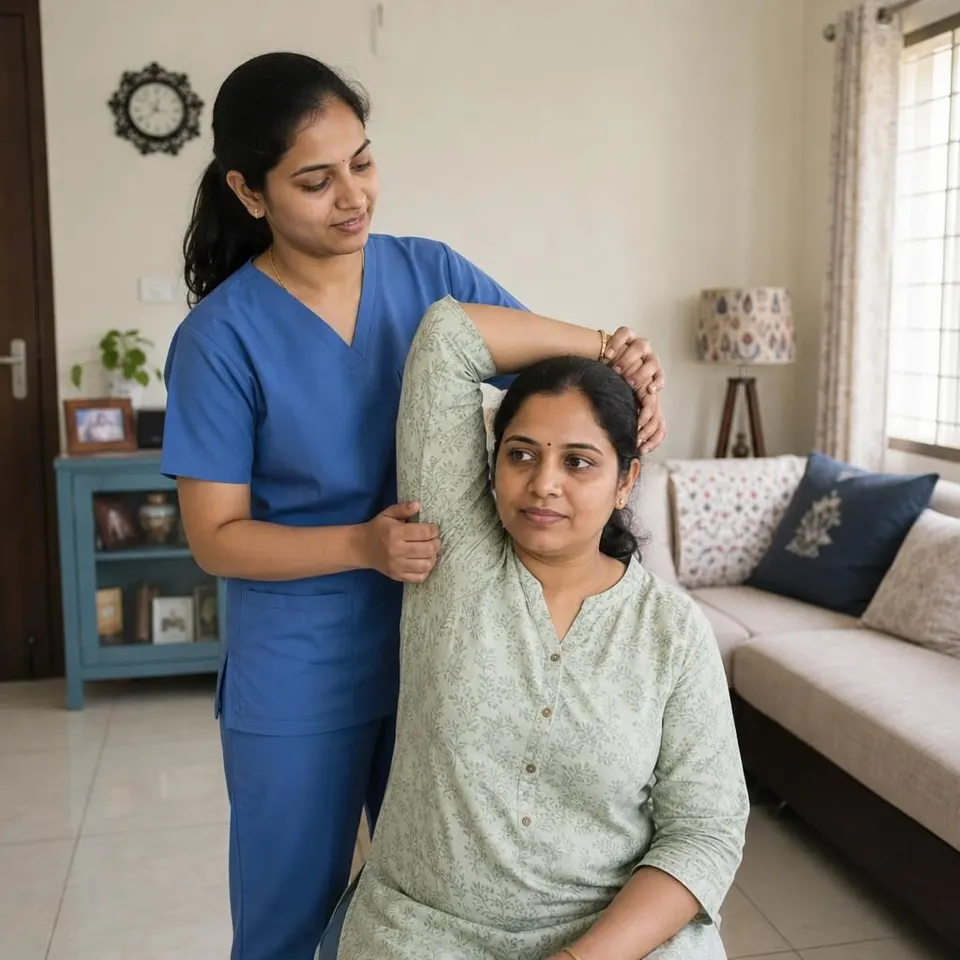
No. Images are illustrative, not exercise instructions or evidence of suitability in pregnancy. Exercise choice and progression should follow appropriate clinical advice, taking your health, symptoms and stage of pregnancy or recovery into account.
FURTHER READING