
Understanding Cervical Spondylosis Physiotherapy
Cervical spondylosis represents common, age-related wear and tear affecting the spinal discs and bones within the neck. Many individuals encounter this as they get older, noticing that the structures supporting the head begin to show natural signs of aging. Engaging in Cervical Spondylosis Physiotherapy can be an essential step for those seeking to understand their symptoms and manage their daily comfort through evidence-based, supportive care strategies tailored to individual movement needs.
When considering the scope of such care, it is important to understand that rehabilitation serves to optimize functioning and reduce disability. While these changes are a natural part of aging, physiotherapy focuses on strengthening self-management and addressing limitations in daily activity. By exploring these concerns, individuals in regions like Madhapur or Kukatpally can gain clarity on how to adapt their habits and maintain a quality of life that accommodates these natural spinal developments.
Clinical reference: WHO: Rehabilitation — World Health Organization.
Clinical reference: NHS: Cervical spondylosis — UK National Health Service.
Recognizing the Practical Impact of Neck Discomfort
Neck pain and stiffness often manifest as significant disruptions in routine activities, such as working at a desk or completing household chores. For example, a person might find that looking down to read or turning their head to reverse a car becomes noticeably challenging or uncomfortable. This stiffness is not merely a temporary annoyance but can influence how someone moves, breathes, and engages with family members throughout the busy Hyderabad day, making simple tasks feel demanding.
To assess how these symptoms influence your life, consider the following reflection: Does the discomfort prevent you from engaging in your preferred leisure activities? Do you feel you are constantly modifying your environment to avoid neck pain? By identifying these specific impacts, individuals can better communicate their needs during a consultation. Understanding the limitations imposed by neck stiffness is a foundational step in moving from frustration to a more proactive approach in managing personal health.
Clinical reference: NHS: Neck pain and stiff neck — UK National Health Service.
The Importance of a Professional Assessment
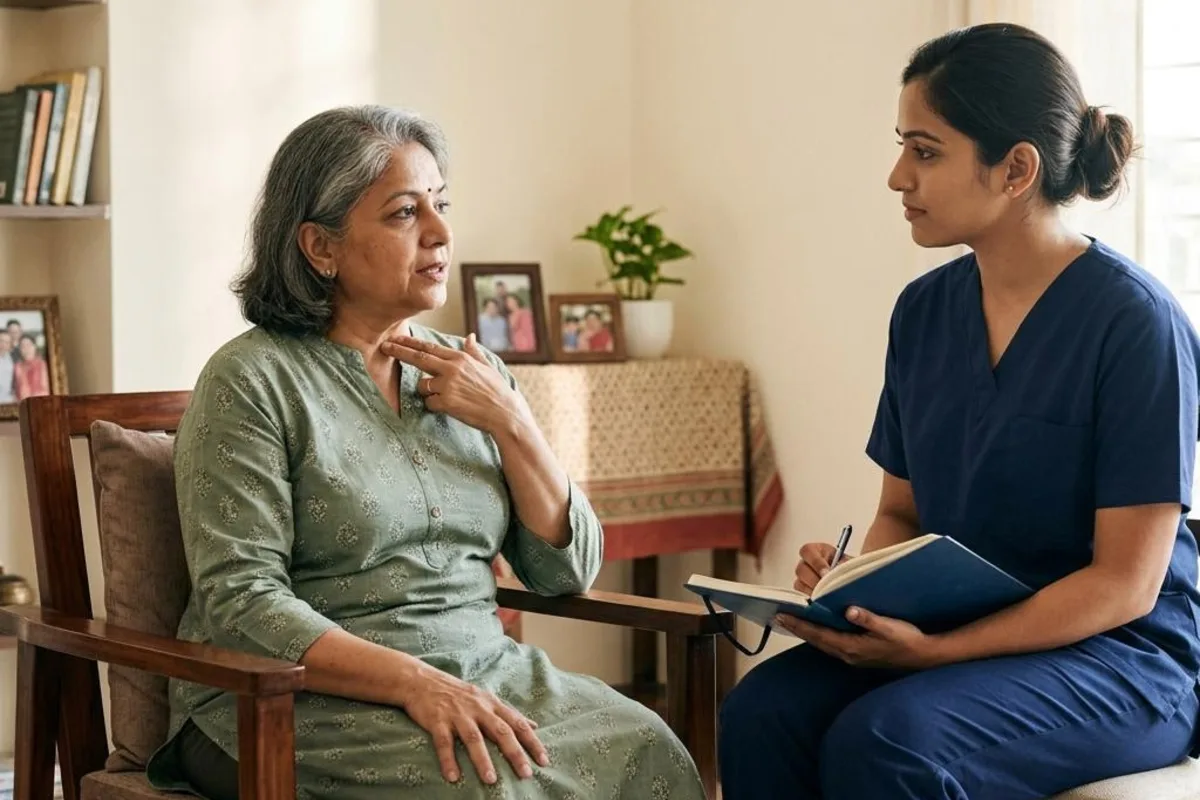
A formal assessment serves as the starting point for any structured rehabilitation path. During a home visit, a professional will listen to your history, observing how your neck moves and identifying which activities exacerbate your symptoms. This process is not about invasive procedures but rather about understanding your unique movement patterns and functional goals. Establishing this baseline allows for the development of strategies that respect your current comfort levels while prioritizing long-term spinal health.
During an evaluation, you might discuss how long you have felt the stiffness or if you notice associated headaches or shoulder discomfort. It is an opportunity to clarify how your environment, such as your workspace or sleeping setup, contributes to your symptoms. For those inquiring from areas like Kukatpally, note that assessments help determine the suitability of home-based support. This clinical overview ensures that any guidance provided aligns with your specific health profile and personal needs.
Clinical reference: WHO: Rehabilitation — World Health Organization.
Organisational context: MoHFW: VMMC and Safdarjung Hospital rehabilitation services — Ministry of Health and Family Welfare, Government of India.
Safe Principles for General Rehabilitation
Rehabilitation is an investment in your future health, designed to prevent the need for more complex interventions down the line. A core principle of managing age-related neck changes involves maintaining movement rather than total immobilization. While rest might feel helpful, moving the neck gently is crucial to prevent further stiffness. Self-management strategies often involve simple changes, such as using a supportive pillow or applying heat to relax tired muscles during your recovery journey.
Effective rehabilitation is not about quick fixes; it involves addressing symptoms through a multidisciplinary lens. Avoiding activities that pose a high risk during periods of restricted movement, such as cycling or driving, is a standard safety measure. By adhering to these principles, individuals can support their bodies in maintaining functionality. These practices are intended to be consistent and patient-centered, ensuring that you remain in control of your rehabilitation process while avoiding undue strain on your neck.
Clinical reference: WHO: Rehabilitation — World Health Organization.
Clinical reference: NHS: Neck pain and stiff neck — UK National Health Service.
Identifying When to Seek Urgent Medical Care
While many cases of neck discomfort are manageable with conservative care, certain symptoms require immediate attention. If you experience sudden, severe difficulty with balance, notice a new inability to control your bladder or bowel movements, or observe signs of stroke—such as sudden facial drooping or an inability to lift both arms—you must seek immediate local emergency medical care. Never wait for an appointment, a messaging service response, or a home visit when these critical warning signs appear.
Emergency symptoms are distinct from the usual stiffness of cervical spondylosis and demand prompt clinical intervention in a hospital setting. If you or a family member notice these dramatic changes, act decisively and prioritize emergency services. In non-emergency scenarios, such as when pain persists for several weeks despite self-care, a scheduled consultation is appropriate. Recognizing the difference between routine stiffness and medical emergencies is a vital skill for anyone managing neck health in the community.
Clinical reference: NHS: Cervical spondylosis — UK National Health Service.
Clinical reference: NHS: Neck pain and stiff neck — UK National Health Service.
Setting Realistic Goals for Your Recovery
Setting achievable goals is essential for sustained progress. Instead of aiming for an overnight disappearance of pain, focus on functional milestones, such as being able to comfortably look left and right while checking for traffic or sitting at your computer for longer durations without intense tension. Discussing these goals with your family can help them provide the right kind of support, perhaps by helping adjust your home office setup to improve your posture during the day.
Progress is measured by your increased ability to perform daily life activities, not just the absence of pain. When you identify clear, small goals, you create a path that feels manageable. For example, you might aim to incorporate gentle, guided movements into your morning routine consistently for two weeks. This approach encourages long-term success and builds self-confidence, ensuring that you remain motivated even on days when your neck feels particularly stiff or requires extra care.
Clinical reference: WHO: Rehabilitation — World Health Organization.
Home Considerations and Caregiver Support
Your home environment significantly influences how your neck recovers. Simple adjustments, such as selecting a firm, low pillow, can help maintain spinal alignment while you sleep. Caregivers can assist by helping organize your daily schedule to allow for regular breaks, preventing the fatigue that often worsens muscle tension in the neck and shoulders. Communicating your comfort levels with those who live with you is vital to ensure that your living space remains supportive and stress-free.
For those living in residential hubs like Madhapur, integrating these adjustments into your routine can be very effective. Caregivers might also assist by keeping track of when you notice more or less pain, which provides valuable information for your professional consultations. By fostering a collaborative atmosphere at home, you create a buffer against the frustrations of chronic discomfort, making it easier to follow through with the gentle, consistent movement patterns suggested during your assessment and rehabilitation sessions.
Clinical reference: NHS: Neck pain and stiff neck — UK National Health Service.
Navigating Local Enquiry and Availability
PhysioGood offers an enquiry-based model to determine how we can best support your needs in Hyderabad. Requests from areas like Kukatpally or Madhapur are evaluated based on professional availability and the specific nature of your requirements. We aim to confirm suitability before any home visit, as each person presents with unique health profiles that must be assessed for safety. This process ensures that we provide the right support where and when it is actually needed.
Please understand that our service is not a walk-in clinic, and availability fluctuates. The purpose of our enquiry system is to facilitate a clear connection between your health goals and our operational reach. By confirming details individually, we maintain a standard of service that prioritizes patient safety and clear communication. If your enquiry is accepted, we will coordinate a time that fits into your schedule, ensuring that your home environment is ready for a productive, professional physiotherapy interaction.
Organisational context: MoHFW: VMMC and Safdarjung Hospital rehabilitation services — Ministry of Health and Family Welfare, Government of India.
Institutional Context and Professional Boundaries
It is important to understand the role of various medical institutions in India. Organizations like the Indian Medical Association provide professional guidance for doctors but do not directly endorse specific private home-visit providers or individual practices. Similarly, government departments like the MoHFW offer resources for specialized rehabilitation within hospital settings, but these services operate independently of private mobile physiotherapy providers. Being aware of these distinctions helps you make informed choices about your own healthcare and professional support.
At PhysioGood, we maintain our own standards for assessment and care, and we do not claim any institutional endorsement or clinical affiliation with the aforementioned bodies. Our work is focused on providing accessible, evidence-based home physiotherapy in line with general health guidelines. We aim to provide transparency regarding our operational model, ensuring you understand that our services are independent and subject to individual suitability checks rather than being part of a government-run medical delivery or hospital-based program.
Organisational context: MoHFW: VMMC and Safdarjung Hospital rehabilitation services — Ministry of Health and Family Welfare, Government of India.
Organisational context: Indian Medical Association: organisational role — Indian Medical Association.
Frequently Asked Questions About Neck Changes
A common question is whether neck pain always signals a serious underlying condition. Generally, age-related wear and tear is common and often responds to conservative home care, such as heat packs and gentle, consistent movement. However, it is important to watch for persistent neurological symptoms, like numbness or a feeling of coldness in the arm, which warrant a discussion with a general practitioner. Understanding these nuances helps reduce unnecessary worry while keeping you alert to significant changes.
Another frequent query is about how long someone should wear a neck collar for support. According to general clinical guidance, it is often recommended to keep the neck moving naturally rather than relying on collars unless specifically instructed otherwise by a doctor. Avoiding reliance on such aids encourages your neck muscles to stay active and strong, which is vital for long-term health. We suggest focusing on gentle range-of-motion exercises rather than passive support to promote better recovery outcomes.
Clinical reference: NHS: Neck pain and stiff neck — UK National Health Service.
Clinical reference: NHS: Cervical spondylosis — UK National Health Service.
Moving Forward with Your Neck Health
Taking control of your health with cervical spondylosis is a proactive journey that relies on steady, consistent practices. By understanding that your neck symptoms are a common aspect of life's natural changes, you can shift your focus from worry to action. Using the information provided by reliable clinical sources, you can build a daily routine that prioritizes movement, comfort, and safety. Every small step towards improved self-management is a positive contribution to your overall physical well-being.
We are here to support your questions regarding the feasibility of home physiotherapy in your local area. By maintaining open communication and keeping your specific symptoms in view, you ensure that your recovery process is tailored to your individual reality. Remember that rehabilitation is about optimizing your daily function, making it easier to enjoy life in Hyderabad. If you feel ready to explore how a home-based assessment might benefit your situation, reach out through our established contact channels today.
Clinical reference: WHO: Rehabilitation — World Health Organization.
Clinical reference: NHS: Cervical spondylosis — UK National Health Service.
References and context
Sources behind this article
These references provide background for the information above; they do not imply that PhysioGood is endorsed, approved or clinically reviewed by any organisation.
- Clinical referenceNHS: Cervical spondylosisUK National Health Service · Checked 3 October 2026
- Clinical referenceNHS: Neck pain and stiff neckUK National Health Service · Checked 3 October 2026
- Organisational contextMoHFW: VMMC and Safdarjung Hospital rehabilitation servicesMinistry of Health and Family Welfare, Government of India · Checked 3 October 2026
- Clinical referenceWHO: RehabilitationWorld Health Organization · Checked 3 October 2026
- Organisational contextIndian Medical Association: organisational roleIndian Medical Association · Checked 3 October 2026
The Indian Medical Association is a voluntary national organisation of doctors, not a government regulator. This link is included only to describe the organisation; it is not an endorsement or review of PhysioGood.
Clinical references and government or organisational service descriptions have different purposes. A hospital service description is contextual information, not clinical evidence. No WHO, Ministry of Health or IMA approval or clinical review of PhysioGood is claimed.
A question about home physiotherapy?
Start with what you would like to understand.
An enquiry is not a confirmed appointment. The team can discuss your request and available next steps.