
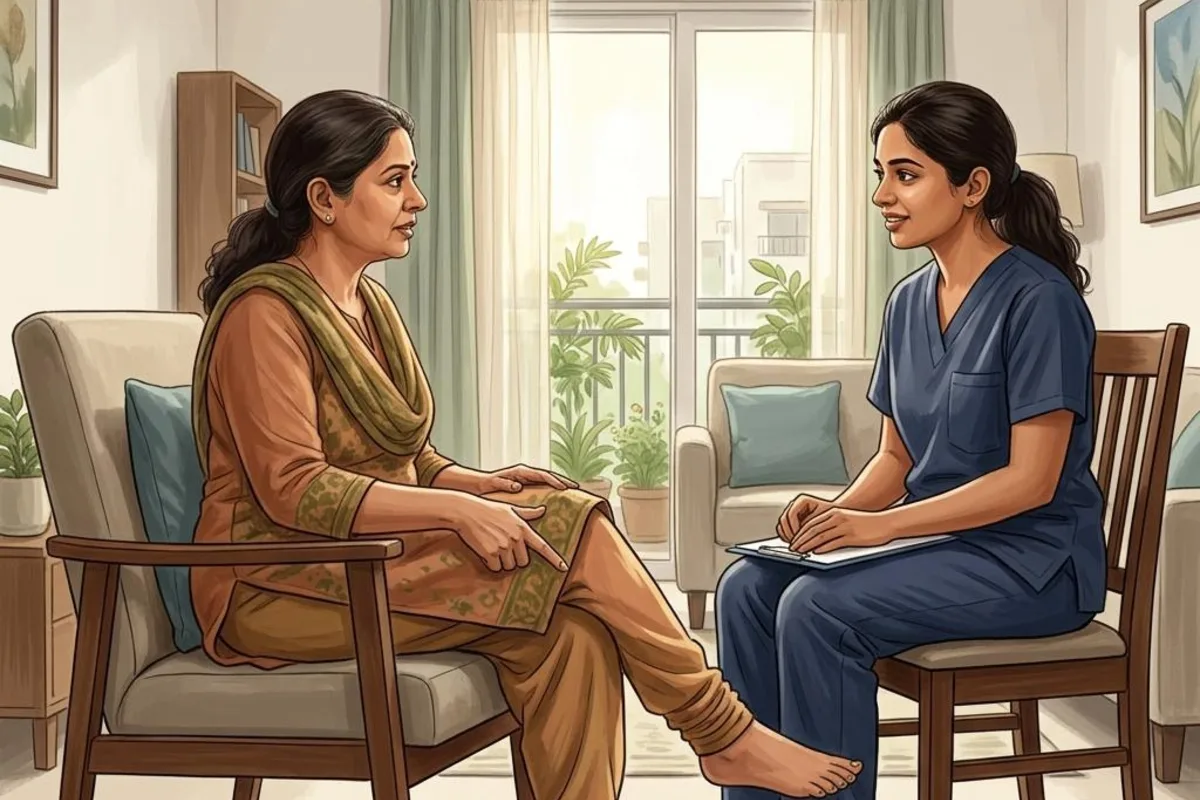
Understanding Sciatica Physiotherapy and Leg Symptoms
Sciatica physiotherapy focuses on addressing the discomfort that radiates from the lower back down towards the feet. This condition typically involves the irritation of a nerve, which may cause sharp, burning sensations, tingling, or feelings of weakness in the legs. By understanding these sensations, individuals can begin to navigate their recovery journey more effectively while remaining aware of how nerve irritation impacts their daily movement and overall quality of life.
When dealing with persistent back pain and sciatica, it is essential to recognise that these symptoms often fluctuate. The primary goal of any intervention is to help you maintain your normal activity levels while avoiding habits that might exacerbate nerve sensitivity. Engaging with professional guidance can help you understand the nature of your discomfort, ensuring you take the right steps to support your body throughout the healing process in Hyderabad.
Clinical reference: NHS: Sciatica — UK National Health Service.
Clinical reference: NHS: Back pain — UK National Health Service.
The Impact of Back Pain & Sciatica on Daily Life
The practical impact of sciatica often manifests as an interruption to your usual routine. Simple tasks like standing for long periods, walking to the local market, or even sitting during a commute can become challenging. It is important to acknowledge these limitations without becoming discouraged, as understanding the source of your pain is the first step toward managing it effectively and returning to your preferred household or professional activities.
Consider a hypothetical scenario where you usually enjoy an evening walk around the local parks in Kondapur or Miyapur. When nerve irritation flares up, you might find that your usual route feels suddenly difficult. By identifying these specific moments where pain interferes with your plans, you can begin to make small, helpful adjustments to your environment, such as breaking up long periods of sitting or modifying how you carry heavy items.
Clinical reference: NHS: Sciatica — UK National Health Service.
Clinical reference: NHS: Back pain — UK National Health Service.
Recognising When to Seek Immediate Medical Care
While many cases of back pain improve with time and gentle management, certain symptoms serve as critical warnings that necessitate urgent action. If you experience numbness in both legs, a sudden change in your bowel or bladder control, or severe pain that seems to worsen rapidly, you must seek immediate local emergency medical care. Never wait for an appointment or try to manage these specific symptoms with home care alone.
Your safety is always the highest priority when dealing with neurological indicators. While routine care can often be managed through assessment, emergency signs are non-negotiable. If you find yourself facing these sudden developments, please prioritise visiting your nearest hospital facility directly. Do not wait for WhatsApp messages or online consultations when dealing with these acute symptoms; professional medical intervention is required immediately to ensure your health and future safety.
Clinical reference: NHS: Sciatica — UK National Health Service.
Clinical reference: NHS: Back pain — UK National Health Service.
What a Professional Assessment Might Discuss
During an assessment, a physiotherapist will discuss your unique health history to understand how your back pain and sciatica influence your functional mobility. The focus is not just on the pain itself but on how it changes your movement patterns throughout the day. By reviewing your daily requirements, the therapist can help build a clearer picture of which activities might be causing excessive strain and which ones support your recovery.
The conversation during an assessment often revolves around your specific goals and what you hope to achieve. Whether you are aiming to return to work, resume light exercise, or simply move around your home without constant discomfort, these discussions form the foundation of your recovery plan. It is a collaborative process where your feedback helps tailor the approach to your current capabilities and long-term health needs in Hyderabad.
Clinical reference: NHS: Sciatica — UK National Health Service.
Clinical reference: NHS: Back pain — UK National Health Service.
Safe Rehabilitation Principles for Sciatica
Rehabilitation is an essential service aimed at optimizing how you function in daily life, rather than just treating an isolated symptom. A central principle in managing sciatica is to stay active and continue with your daily routines as much as possible, as prolonged bed rest is generally not recommended. Moving within a comfortable range helps maintain muscle strength and supports the body’s natural process of improving over a few weeks.
Modern rehabilitation practices involve a multidisciplinary approach, focusing on strengthening your self-management skills. By using safe, manageable techniques, you can address the symptoms of nerve irritation effectively. Remember that rehabilitation is for everyone, regardless of age, and is considered a valuable investment in your future well-being. By staying consistent with gentle, prescribed activity, you reduce the likelihood of relying on more intensive interventions later in your recovery journey.
Clinical reference: WHO: Rehabilitation — World Health Organization.
Clinical reference: NHS: Sciatica — UK National Health Service.
Clinical reference: NHS: Back pain — UK National Health Service.
Setting Realistic Goals for Your Recovery
When setting goals, it is helpful to start with small, achievable milestones. Instead of focusing on becoming pain-free overnight, try setting a goal to walk for ten minutes without significant increase in your leg symptoms. These manageable targets help track your progress and provide a psychological boost, keeping you motivated as you navigate the challenges of recovery. Consistency is far more effective than trying to rush through your rehabilitation process.
Family communication plays a crucial role in reaching these goals. Discussing your limitations with family members living in Kondapur or Miyapur can create a supportive environment where you do not feel pressured to overexert yourself. Clear communication helps your family understand why you might need to modify your chores or activity levels, ensuring you have the time and space required to focus on your recovery without feeling overwhelmed.
Clinical reference: WHO: Rehabilitation — World Health Organization.
Clinical reference: NHS: Sciatica — UK National Health Service.
Home and Caregiver Considerations
If you are managing sciatica from home, consider your living environment. Look for ways to minimize strain during your daily routine, such as using supportive chairs or arranging frequently used items at a height that avoids unnecessary bending. Small changes in your immediate surroundings can make a significant difference in how much irritation you feel throughout the day. Support from caregivers should be focused on encouraging your independence rather than doing everything for you.
Caregivers should encourage you to remain active rather than fostering a cycle of inactivity. Simple habits like using heat packs can provide comfort, but they should be used alongside the exercises suggested by a professional. If you live in an area like Miyapur, ensure your home setup allows for safe movement. Always keep the lines of communication open with your support team to ensure you are balanced between resting and staying active.
Clinical reference: NHS: Sciatica — UK National Health Service.
Clinical reference: NHS: Back pain — UK National Health Service.
Institutional Context and Local Enquiry
It is important to understand the role of various medical institutions when seeking information. Organizations like the Ministry of Health and Family Welfare and the Indian Medical Association work to advance medical science and public health; however, they do not endorse specific private physiotherapy providers. When you inquire about services in locations like Kondapur or Miyapur, understand that coverage and home visits are always subject to therapist availability and the specific outcome of an initial assessment.
When researching care in Hyderabad, remember that general guidelines—such as those provided by international health bodies—are educational tools, not specific treatment protocols for your unique condition. While hospital departments provide specialized rehabilitation for complex neurological or musculoskeletal issues, private community care is a separate service. Always verify that any practitioner you consult is suited to help with your specific needs, rather than assuming a universal approach exists.
Clinical reference: WHO: Rehabilitation — World Health Organization.
Organisational context: MoHFW: VMMC and Safdarjung Hospital rehabilitation services — Ministry of Health and Family Welfare, Government of India.
Organisational context: Indian Medical Association: organisational role — Indian Medical Association.
Frequently Asked Questions: Sciatica and Movement
A common question is whether exercise makes sciatica worse. While intense or sudden movements can flare up symptoms, simple and guided exercises are actually recommended to prevent stiffness and support recovery. The goal is to move within your current limits. Avoiding movement entirely can often lead to a slower recovery, so finding the right balance of light activity and rest is key to managing your symptoms successfully over time.
Another frequent concern is how long recovery takes. Because everyone responds differently, there is no fixed timeline for relief. Most back pain and sciatica improve on their own within a few weeks with appropriate self-management and patience. If your symptoms persist or worsen despite these efforts, seeking a professional consultation is the right step. Consistency with your personal recovery plan is far more important than expecting a rapid, fixed-duration recovery period.
Clinical reference: NHS: Sciatica — UK National Health Service.
Clinical reference: NHS: Back pain — UK National Health Service.
Lifestyle Adjustments and Managing Flare-ups
Managing flare-ups requires a calm approach and a few practical tools. When pain spikes, using heat packs can provide significant comfort and help relax the surrounding muscles. It is also a good time to revisit your daily activity log. Have you been sitting for too long? Have you changed your lifting habits? Making these simple, mindful adjustments can prevent minor irritation from becoming a major disruption to your day.
Think of a day where you have errands to run in a busy locality like Kondapur. You might notice your symptoms increasing by the afternoon. Instead of pushing through until the pain becomes unbearable, try planning your day to include short, frequent rest breaks. By listening to your body's signals, you can maintain your activity levels while reducing the intensity of flare-ups, allowing you to stay productive and comfortable.
Clinical reference: NHS: Sciatica — UK National Health Service.
Clinical reference: NHS: Back pain — UK National Health Service.
Long-term Support and Staying Informed
Staying informed about your condition is a powerful part of long-term health. Reliable clinical information, like the guidelines provided by the NHS regarding back pain, can help you avoid common myths and focus on what actually works. Education empowers you to take control, ensuring you are not reliant on passive treatments but are instead an active participant in your own recovery and daily physical maintenance for years to come.
Finally, remember that professional physiotherapy is a partnership. Your commitment to performing suggested movements and adjusting your daily environment is what drives results. Whether you are seeking help in Miyapur or anywhere else in Hyderabad, finding a practitioner who listens to your concerns and respects your goals is essential. By combining evidence-based habits with professional guidance, you can navigate sciatica more confidently and maintain your independence through all stages of life.
Clinical reference: WHO: Rehabilitation — World Health Organization.
Clinical reference: NHS: Sciatica — UK National Health Service.
Clinical reference: NHS: Back pain — UK National Health Service.
References and context
Sources behind this article
These references provide background for the information above; they do not imply that PhysioGood is endorsed, approved or clinically reviewed by any organisation.
- Clinical referenceNHS: SciaticaUK National Health Service · Checked 3 October 2026
- Clinical referenceNHS: Back painUK National Health Service · Checked 3 October 2026
- Organisational contextMoHFW: VMMC and Safdarjung Hospital rehabilitation servicesMinistry of Health and Family Welfare, Government of India · Checked 3 October 2026
- Clinical referenceWHO: RehabilitationWorld Health Organization · Checked 3 October 2026
- Organisational contextIndian Medical Association: organisational roleIndian Medical Association · Checked 3 October 2026
The Indian Medical Association is a voluntary national organisation of doctors, not a government regulator. This link is included only to describe the organisation; it is not an endorsement or review of PhysioGood.
Clinical references and government or organisational service descriptions have different purposes. A hospital service description is contextual information, not clinical evidence. No WHO, Ministry of Health or IMA approval or clinical review of PhysioGood is claimed.
A question about home physiotherapy?
Start with what you would like to understand.
An enquiry is not a confirmed appointment. The team can discuss your request and available next steps.