
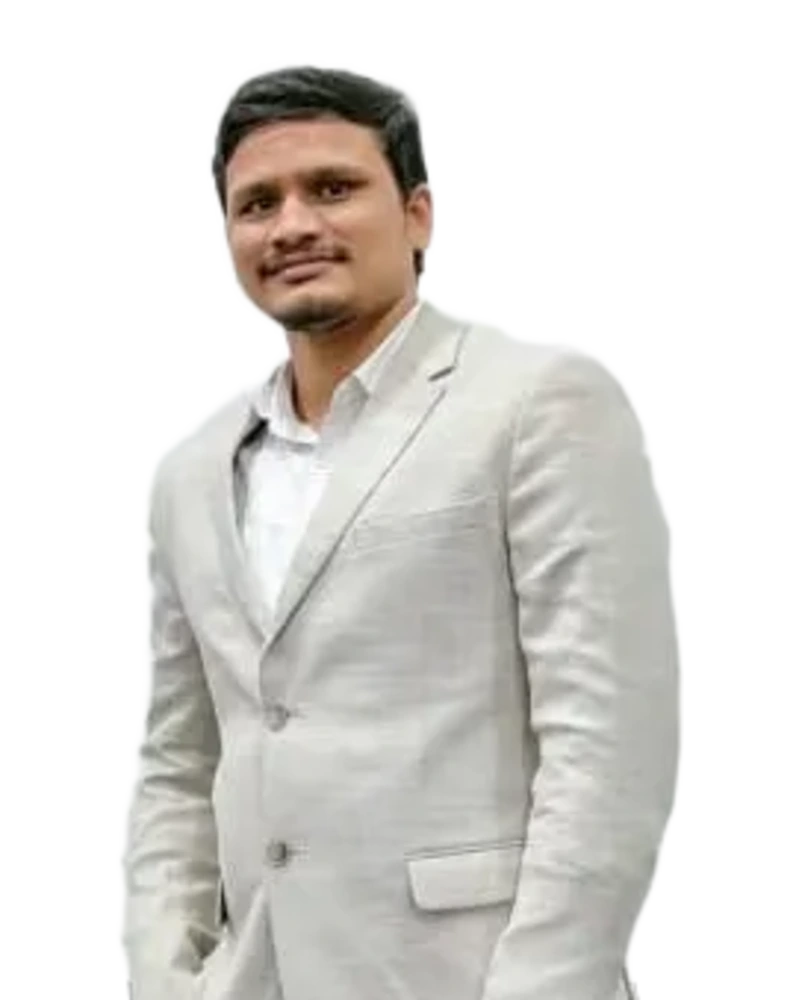
An orthopaedic postgraduate focus in physiotherapy
Jagadeesh’s supplied education records both a general physiotherapy degree and postgraduate orthopaedic study. The MPT (Ortho) provides a relevant educational focus for discussing musculoskeletal rehabilitation, including movement associated with joints and surrounding structures. It should not be confused with an orthopaedic surgeon’s qualification or a medical role involving surgery. Presenting the degree accurately helps patients understand why joint function, spine-related movement and appropriate rehabilitation are prominent topics on this page without assigning a different professional title.
A postgraduate focus is relevant information, but an individual care decision also depends on the patient’s condition, required support and the practitioner’s confirmed competence. This profile does not infer specialist techniques, sports credentials or an experience total from graduation dates. Patients can ask the care team whether their request is appropriate for Jagadeesh and for a home visit. If an assessment or treatment requires a different setting, investigation or professional, that need remains important even when the practitioner has a relevant degree.
Understanding the musculoskeletal problem before planning care
A musculoskeletal concern may be described as discomfort, stiffness, a restricted movement or difficulty carrying out a familiar task. An assessment aims to understand how those features relate to the patient’s history and current activity. It is not enough to choose a plan simply because the symptoms involve a knee, shoulder or back. Relevant medical advice, the onset of the problem and any change in function can help determine the appropriate next step. Patients should feel able to explain concerns in ordinary language.
For suitable enquiries with Jagadeesh, the home setting can provide useful examples of the movements that matter to the patient. A daily task may reveal different priorities from a generic exercise goal. The discussion should clarify what can appropriately be considered and which questions require further review. The key-service links describe PhysioGood’s broader musculoskeletal offerings, not a personalised diagnosis. They can prepare patients for a more informed enquiry, while leaving assessment and treatment decisions to the appropriate clinical conversation.
Knee and joint function beyond the symptom label
Joint difficulties can affect a person’s ability to walk, stand from a seat, use steps or complete household activities. The functional effect helps explain the concern, especially when the patient is unsure how to describe it clinically. A physiotherapy discussion may consider movement, current activity tolerance and relevant physical function, where appropriate. It should also take account of existing diagnoses and precautions. A long-standing joint condition, a recent injury and a postoperative restriction are not interchangeable situations.
Jagadeesh’s orthopaedic postgraduate education makes joint rehabilitation a particularly relevant topic for enquiry. This does not mean that home care is suitable for every joint problem or that exercise alone will resolve every symptom. A clinician may need to review new swelling, a significant injury or another concerning change before physiotherapy is considered. Patients can ask about the proposed assessment and the purpose of any activity being discussed. The aim is a case-specific approach rather than a guaranteed improvement attached to an orthopaedic degree title.
Spine and shoulder physiotherapy discussions
Back, neck and shoulder symptoms can interfere with work, sleep and ordinary movement. Some patients are most concerned about reaching or turning, while others want help understanding a persistent limitation during a daily task. Relevant assessment considers the pattern of symptoms alongside medical context, rather than assuming that posture explains everything. The patient’s responsibilities and existing advice can help establish which goals are meaningful. A home enquiry should begin with those details, not with a request for a particular technique chosen from an online list.
The profile includes spine-related and upper-limb service links because these areas fit an orthopaedic physiotherapy discussion. Availability of any particular treatment method still needs confirmation. No unlisted dry-needling, manipulation or other specialist certification is implied by the MPT label. Significant trauma, sudden neurological changes or another urgent concern calls for the appropriate medical pathway. Where physiotherapy at home is suitable, patients should receive clear explanations of the planned support, relevant precautions and the circumstances in which further review may be needed.
Orthopaedic recovery after an operation
A postoperative patient may be looking for support with movement that has been recommended by the treating team. The enquiry should identify the procedure, current recovery stage and any limits on activity. Discharge instructions and follow-up advice are important because the appropriate plan can change according to the operation and healing context. A relevant physiotherapy qualification does not justify a universal postoperative routine. An activity that is suitable in one case may conflict with another patient’s restrictions or clinical requirements.
Jagadeesh’s postgraduate orthopaedic study is a reasonable basis for highlighting post-operative rehabilitation as a topic to discuss with PhysioGood. The team still needs to confirm the fit between his actual service scope and the patient’s needs. This page does not claim expertise in every procedure or replace surgical review. Home care may reduce travel for an appropriate session, but not the need for necessary medical appointments. If there is a possible complication or a new concerning symptom, the treating medical team should guide the immediate next step.
Activity and sports-related rehabilitation enquiries
Someone returning to a preferred activity may need help understanding the difference between feeling better during a simple movement and being ready for the demands of that activity. Sports and fitness rehabilitation enquiries can explore that question alongside injury history and existing medical advice. The requirements of the activity, the patient’s present function and relevant precautions all matter. A routine suitable for an occasional recreational activity may not meet the needs of a competitive athlete or a person with a complex injury.
Jagadeesh’s profile links to general sports and fitness rehabilitation information because musculoskeletal study is relevant to discussing these movement demands. The link does not confer an unlisted sports fellowship, elite-team affiliation or specialist certification. The actual support must be reviewed for the individual request. Patients should not interpret this page as clearance to return to a sport or increase training. A thoughtful discussion identifies appropriate next steps and any need for a different provider, assessment setting or more specific expertise.
Enquiries from Begumpet, Somajiguda and Punjagutta
Patients in Begumpet, Somajiguda and Punjagutta can use PhysioGood’s locality information to enquire about a suitable home physiotherapy visit. These references support local service discovery, not a claim that Jagadeesh runs a clinic in each area or is personally available for every request. The exact address, care requirements and scheduling are checked before a visit is confirmed. If the patient has specific postoperative or movement-related needs, mention them alongside the locality so the enquiry can be considered properly.
The home-care model may make suitable rehabilitation more manageable when travelling is uncomfortable or requires a family member’s help. It also allows everyday tasks to be discussed in their normal setting. That convenience does not outweigh clinical suitability, and some support needs a different facility or professional. Patients can ask about pricing, visit arrangements and next steps before agreeing to care. The aim is accessible, affordable home physiotherapy in Hyderabad with clear expectations, not a promise of immediate coverage or guaranteed outcomes in every neighbourhood.
Requesting Jagadeesh Badimella through PhysioGood
To enquire about Jagadeesh, select the practitioner request button or contact the team by phone or WhatsApp. Explain the main movement difficulty, the locality and any important advice from the treating clinician. If the request is connected with an operation or injury, that context helps the team review the proposed service. Detailed health records should be shared privately through an appropriate process. The enquiry is assessed before coverage, suitability and practitioner availability are confirmed; it is not an automatic appointment.
This original profile is built around the qualifications supplied for Jagadeesh and the care categories those studies make relevant to discuss. It does not add unverified registration claims, employment achievements or a calculated experience total. Patients can ask how a proposed assessment relates to their goals and what further care may be necessary. A useful home physiotherapy arrangement should provide a clear, individual starting point. When another pathway is more appropriate, directing the patient toward it is more responsible than presenting a degree as a guarantee of treatment suitability.